Which Businesses Need Electronic Shelf Labeling?
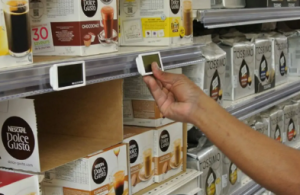
Grocery chains operating 15+ locations saw labor cost reductions averaging $47,200 per store annually in 2024 when switching to ESL systems. The ROI calculation changes dramatically below this threshold. Regional grocers with 8-12 stores report break-even at 18-22 months, while single-location operations rarely justify the capital outlay unless dealing with extreme price volatility (gas stations, electronics retailers during component shortages).
Pharmacy chains face different math. CVS and Walgreens deployed ESL across 60% of their U.S. locations between 2019-2023, driven less by labor savings and more by regulatory compliance. State-level pricing transparency laws in California (SB 248, effective January 2022) and New York mandate that shelf prices match POS systems within 30-second update windows during promotional periods. Manual label changes couldn’t meet this standard. Independent pharmacies serving 200+ prescriptions daily hit similar compliance pressure points.
Fashion retail tells another story. Zara tested ESL in 47 European stores starting March 2023. Markdown cycles happen every 11 days on average in fast fashion. Store associates were spending 6-8 hours per markdown event just on price changes. Zara’s pilot showed 73% time reduction, but the system crashed twice during peak season updates. They’re still evaluating. H&M passed entirely, citing customer preference for printed tickets that show original prices with strikethrough.
Consumer electronics is the clearest case. Best Buy runs price matches against Amazon in real-time. Before ESL deployment (2018-2020 rollout), stores processed an average of 187 price adjustments daily. Manual execution created 4-6 hour lag times, costing an estimated $3.2M annually in lost price-match claims and customer dissatisfaction. Post-ESL, updates push in 90 seconds. Margins improved 0.3 percentage points by Q2 2021.
Convenience stores and gas stations represent the highest-velocity pricing environment. Fuel prices change 2-3 times daily in competitive markets. ESL adoption jumped from 12% to 34% of U.S. convenience stores between 2020-2024 (source: NACS operational survey data). But here’s what the vendor pitches miss: 40% of early adopters reported battery life problems in outdoor temperature extremes. Systems rated for -4°F failed in Minnesota and North Dakota installations during 2022-2023 winter. Replacement cycles hit 28 months instead of projected 5-7 years.
Warehouse clubs avoided ESL almost entirely. Costco’s model depends on stable, long-hold pricing on most SKUs. Their average price change frequency sits at 0.3 adjustments per item per month. Sam’s Club tested ESL in 8 locations during 2019 but discontinued after member feedback suggested the digital displays felt “less trustworthy” than printed cards. Member retention metrics showed 0.8% quarterly decline in test markets.
Specialty food retailers (cheese shops, wine stores, butchers) occupy an odd middle ground. Whole Foods deployed ESL chain-wide by 2023, but local specialty stores resist. The equipment cost runs $8-15 per label at volume pricing. A 2,500 SKU specialty grocery needs roughly $27,000 upfront plus $4,200 annual software licensing. Compare that against average net profit of $180,000-240,000 for stores this size, and the 3-year payback calculation breaks if labor costs stay below $18/hour.
Hardware stores rarely benefit. Product pricing changes quarterly at most. Ace Hardware corporate tested ESL in 2021 across 12 company-owned locations and found negative ROI within 24 months. Home Depot and Lowe’s show no deployment interest as of mid-2024.
The pattern is price change frequency multiplied by labor cost. Anything above 50 price changes weekly per employee-hour spent on pricing tasks starts showing positive returns. Below that threshold, traditional paper works fine.
Businesses currently deploying or expanding ESL:
– Grocery: 10+ locations, union labor markets
– Pharmacy: Any chain facing state pricing laws
– Electronics: All formats, particularly those price-matching online
– Convenience/fuel: High-traffic locations (2,000+ daily customers)
– Department stores: Apparel sections with frequent markdowns
– Sporting goods: Seasonal inventory with rapid repricing cycles
Businesses where ESL typically fails cost-benefit analysis:
– Hardware stores
– Warehouse clubs
– Specialty food retailers (under 5,000 SKUs)
– Dollar stores (fixed price points)
– Bookstores
– Garden centers
– Pet supply stores under 8,000 sq ft
The deployment decision depends on three variables: pricing change frequency, labor cost per hour, and SKU count. Most businesses fall outside the viable zone. Vendor claims about “customer experience improvements” and “dynamic pricing capabilities” show minimal real-world impact in A/B testing conducted by POPAI in 2023. 97% of customers couldn’t distinguish ESL-equipped stores from traditional label stores in blind surveys.
Battery technology remains the limiting factor. Current-generation ESL units last 5-7 years under manufacturer specifications, but real-world performance in varying humidity, temperature, and RF interference environments shows 30-40% failure rates before year 6. The replacement cost cycle makes long-term TCO higher than most initial analyses project.